avoiding key errors when selecting embroidery supplies wisely
Embroidery is a delightful craft that allows you to express creativity through fabric and thread. However, selecting the right supplies can be daunting, especially for beginners. In 2026, as the world of embroidery continues to evolve, avoiding common errors in this selection process is essential for achieving beautiful results. Here are some key mistakes to watch out for when assembling your embroidery supplies.
Neglecting the Quality of Thread
One of the most significant errors is overlooking the quality of thread. Many new embroiderers may opt for cheaper options to save money, but inferior thread can lead to fraying, difficulty in stitching, and poor overall appearance. Always choose high-quality threads that are specifically designed for embroidery. Brands like Madeira or Aurifil offer a wide range of colours and types that ensure lasting results and vibrant designs.
Ignoring Fabric Compatibility
Another common mistake is not considering the fabric type when selecting embroidery supplies. Different fabrics require different stabilisers and threads. For instance, a lightweight fabric like silk demands a finer thread and a delicate stabiliser, while heavier fabrics like canvas can handle thicker threads and more robust stabilisers. Always match your thread and stabiliser with your chosen fabric to prevent puckering or distortion.
People Also Look For:
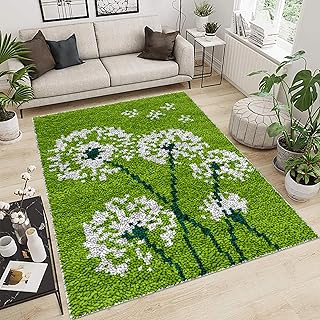
- Latch Hook Rug Set, knotted carpet, Rugs Cross Stitch Embroidery, DIY Handmade Latch Hook Rug Making Tool Kit (Bear)
- Sambhav Quilt Hub Potli Bag For Women With Intricate Gold Thread & Sequin Ethnic Designer Embroidery WorkPearls Handle Potli, Pink
- Personalised Baby Blanket with Embroidered Name,Customised Double Layer Swaddle Blankets,Custom Baby Blanket for Newborn,Infant,To...
- sourcing map Embroidery Hoop Frame 8 Inch Round Imitated Wood Circle Cross-Stitch Ring for Art Craft Sewing Ornament, Pack of 2
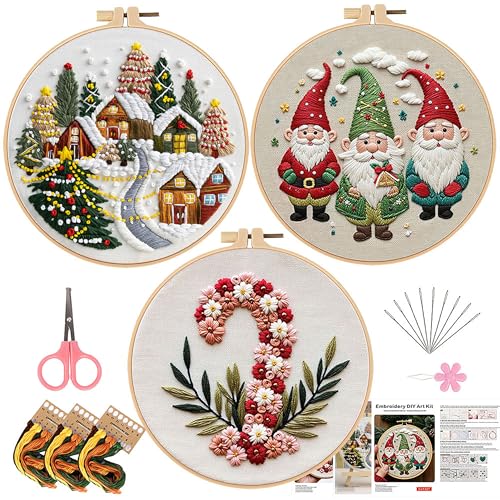
- WIVLAX Embroidery Kit for Adults Beginners 3 Pack, DIY Stitch Craft Set with Mushroom Flower Pattern, Hoop, Thread & Needles, Star...
Overlooking Stabiliser Options
The stabiliser is crucial for successful embroidery, yet many beginners choose the wrong type or neglect to use one altogether. There are three main types of stabilisers: tear-away, cut-away, and wash-away. Each serves a specific purpose based on the fabric and design. For example, tear-away is best for simple designs on stable fabrics, while cut-away stabiliser is ideal for stretchy fabrics to maintain shape. Familiarise yourself with these options to enhance your embroidery quality.
Failing to Plan for Design Complexity
Another pitfall is not considering the complexity of your design in relation to your skills and supplies. Intricate designs may require advanced techniques and higher quality materials. If you are new to embroidery, start with simpler designs that allow you to build your skills and confidence. This approach not only saves you time but also reduces the chance of wasting supplies on complicated projects beyond your current skill level.
Not Investing in the Right Tools
Embroidery is not just about thread and fabric; the tools you use play a vital role as well. Many crafters make the mistake of using generic scissors or incorrect needles. Invest in good quality embroidery scissors that provide precision when cutting threads. Additionally, using the right needle for your specific fabric and thread type can make a significant difference. For example, use a ballpoint needle for knits and a sharp needle for woven fabrics to ensure smooth stitching.
Skipping the Test Stitch
Many embroiderers fail to perform a test stitch before commencing on their final project. This simple yet vital step allows you to see how the design interacts with your fabric and stabiliser. It also helps to identify if any adjustments are needed, such as changing the thread tension or needle. Always take the time to run a test stitch to avoid costly errors on your main piece.
Not Keeping an Organised Supply System
Lastly, many embroiderers overlook the importance of organisation within their supplies. Keeping threads, stabilisers, and tools scattered can lead to frustration and wasted time. Consider investing in a dedicated storage system with clear labels for each supply type. This way, you can quickly locate what you need, ensuring a more enjoyable and efficient embroidery experience.